Eco-Friendly Sanitization with Sodium Dichloroisocyanurate
In a world where sustainability and cleanliness go hand in hand, finding eco-friendly sanitization solutions is paramount. Enter sodium dichloroisocyanurate, a powerful yet environmentally responsible disinfectant that’s making waves in the realm of hygiene. If you’re on a quest for a greener, cleaner future, you’ve come to the right place.
The science of Sodium Dichloroisocyanurate
A Molecular Marvel
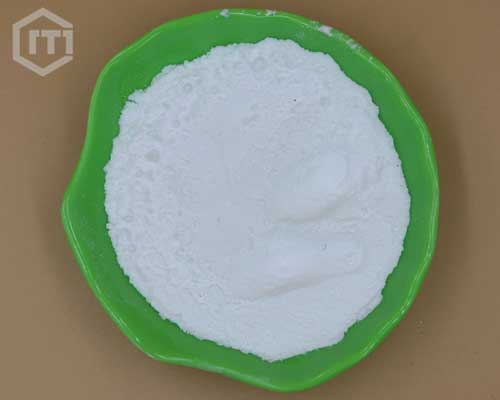
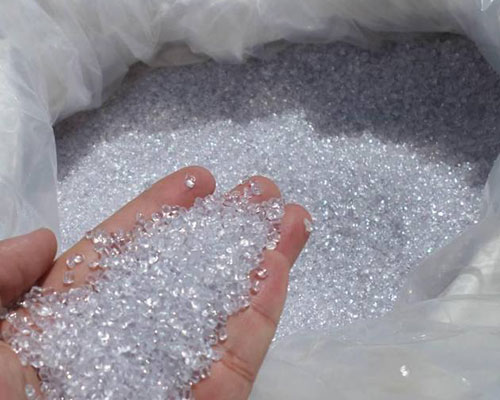
Sodium dichloroisocyanurate, often abbreviated as SDIC, is a chemical compound with a molecular structure that’s critical to its disinfection capabilities. Its chemical formula, C3Cl2N3NaO3, contains chlorine atoms bound to cyanuric acid, creating a stable, water-soluble compound. The magic happens when dichloroisocyanurate de sodium comes into contact with water.
Chlorine Release Mechanism
The core of sodium dichloroisocyanurate’s effectiveness lies in its chlorine release mechanism. When dissolved in water, SDIC breaks down, releasing chlorine ions. This chlorine is a potent oxidizing agent, and it’s responsible for the compound’s ability to destroy a wide range of microorganisms, including bacteria, viruses, and algae.
Broad-Spectrum Disinfection
One of the remarkable aspects of SDIC is its broad-spectrum disinfection capabilities. It targets the cell walls of microorganisms, disrupting their structure and function. This mechanism is effective against both Gram-negative and Gram-positive bacteria, making sodium dichloroisocyanurate a versatile tool for water treatment, sanitation, and more.
Versatility in Applications
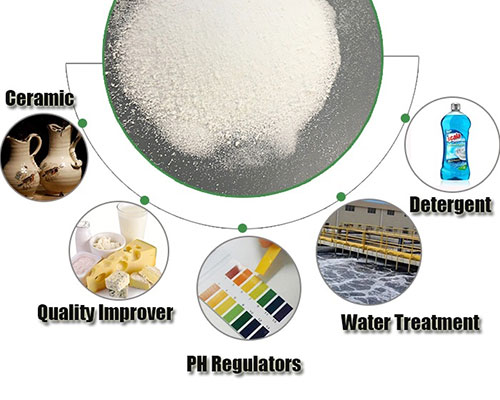
The science behind sodium dichloroisocyanurate is not limited to a single application. It finds use in various industries:
Water Treatment: SDIC is a popular choice for disinfecting swimming pools, drinking water, and wastewater treatment due to its efficient chlorine release.
Agriculture: It’s employed for crop protection and livestock hygiene, safeguarding against waterborne pathogens.
Healthcare: In healthcare settings, sodium dichloroisocyanurate plays a crucial role in surface disinfection and infection control.
Food Processing: It ensures the safety and hygiene of food processing equipment and facilities.
Effective and Economical
Apart from its scientific prowess, Fengbai NaDCC stands out for its cost-effectiveness. Its concentrated form allows for precise dosing, reducing the overall consumption of the product. This not only saves resources but also minimizes the environmental impact associated with excess packaging and waste.
Responsible Use
While the science behind sodium dichloroisocyanurate is fascinating, it’s essential to use this compound responsibly. Always follow manufacturer guidelines for dilution and application, and adhere to safety protocols when handling it.
The Eco-Conscious Choice
Sodium dichloroisocyanurate is a chemical compound that combines effectiveness with a commitment to reducing environmental impact. Let’s take a closer look at why it’s earning a reputation as the eco-conscious choice for sanitization.
- Efficiency and Versatility
This compound is a versatile powerhouse when it comes to disinfection. From water purification to surface cleaning, sodium dichloroisocyanurate can handle it all. Its wide range of applications means fewer products are needed, resulting in less packaging and waste.
- Reduced Plastic Waste
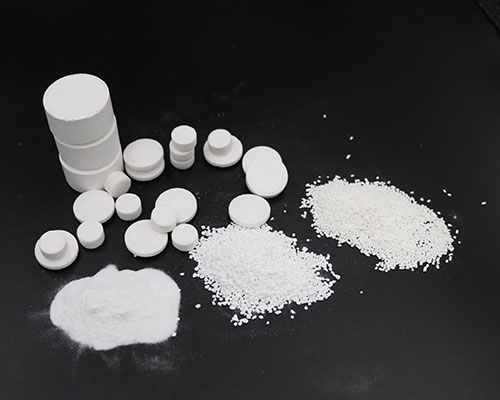
Traditional cleaning and sanitization products often come in single-use plastic containers. Sodium dichloroisocyanurate, on the other hand, can be found in concentrated forms, reducing the need for excess plastic packaging and decreasing your carbon footprint.
- Safe for the Environment
As an eco-friendly disinfectant, sodium dichloroisocyanurate breaks down into harmless byproducts when used, reducing the risk of harm to the environment. It’s an excellent choice for those who want to protect ecosystems while keeping their spaces clean.
How Does It Work?
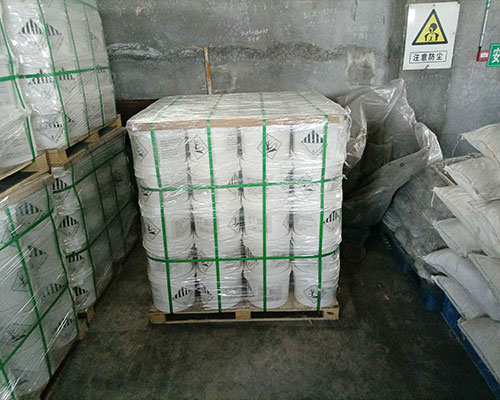
Sodium dichloroisocyanurate releases chlorine when it comes into contact with water. This chlorine effectively kills bacteria, viruses, and other pathogens, making it a potent sanitization agent. It’s used in a wide range of industries, including healthcare, water treatment, and agriculture.
Using Sodium Dichloroisocyanurate Safely
Read the Instructions. Always read and follow the manufacturer’s instructions for proper dilution and application.
Store Securely. Keep sodium dichloroisocyanurate in a cool, dry place, away from direct sunlight.
Protect Yourself: When handling the compound, wear appropriate personal protective equipment to avoid skin and eye contact.
Proper Disposal. Dispose of the product and its containers as per local regulations and guidelines.
Sodium dichloroisocyanurate is revolutionizing sanitization practices, offering an eco-friendly solution without compromising on effectiveness. By choosing this compound, you not only protect your surroundings but also contribute to a more sustainable future. Make the shift towards eco-friendly sanitization with sodium dichloroisocyanurate and be part of the change for a cleaner, greener world. Check more about SDIC chemical from our website: https://www.watertreatment-chemicals.com/sodium-dichloroisocyanurate/